From Brewery to Tap: Why Dispense Specification Protects Product Integrity
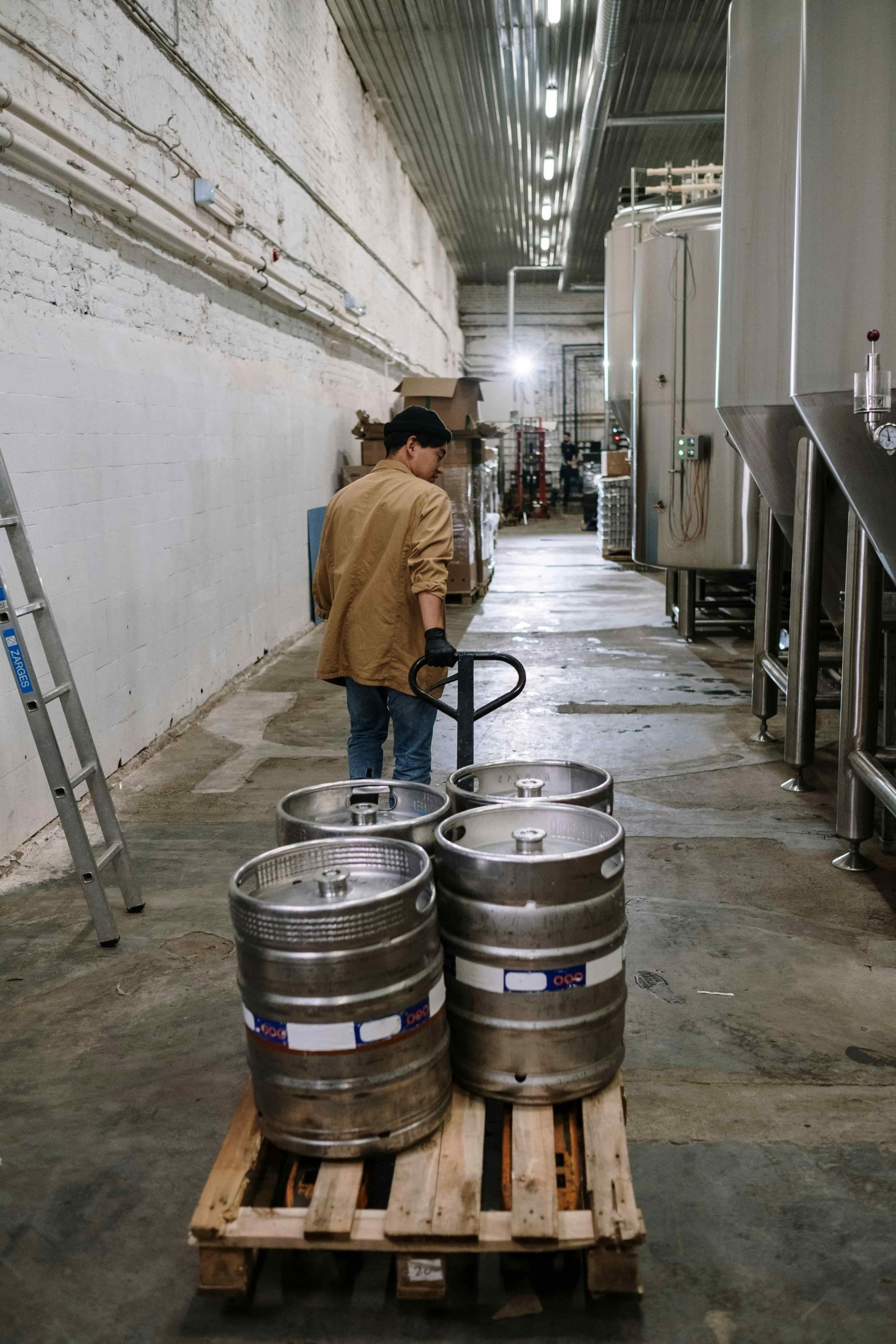
Breweries invest heavily in recipe development, production control, quality assurance and brand standards. But once beer leaves the brewery, product integrity depends on more than the beer itself.
It depends on the system responsible for serving it.
For brewers, dispense specification is not a secondary operational detail. It is part of the quality chain. If the cooling, flow, recovery and cellar-to-bar setup are not designed around real trading conditions, the beer experienced by the customer may not reflect the beer that left the brewery.
At that point, inconsistency is no longer just a venue issue. It becomes a brewery standards issue.
Contents
- Product quality does not end at delivery
- Why brewery standards need system-level support
- Where dispense systems can undermine product integrity
- Why repeatability matters across different venues
- What brewers should expect from system specification
- Protecting the brand beyond the brewery
Product quality does not end at delivery
A brewery can control raw materials, process, conditioning, packaging and transport with precision. But the final stage of the customer experience happens at the tap.
That final stage is often the least controlled.
Cellar layout, ambient temperature, equipment condition, line length, demand peaks and staff experience all affect how beer performs in trade. Some variation can be managed through training and cellar discipline. But training can only protect quality when the system is capable of holding stable conditions in the first place.
If the system cannot maintain temperature, recover quickly after busy periods or deliver consistent flow, the product becomes exposed to variables the brewery cannot easily correct from a distance.
Why brewery standards need system-level support
Brewery quality standards are only effective if the dispense system can support them in real operating environments.
A specification that works in one site may not be suitable for another. A small taproom, a managed pub, a high-volume city bar and a seasonal venue can place very different demands on the same beer. If the same equipment approach is applied without considering those conditions, consistency becomes dependent on luck, intervention or over-management.
For brewers with tied estates, partner venues or multi-site customers, this creates a recurring problem: the beer is the same, but the serve is not.
That inconsistency can show up as temperature drift, slow recovery, poor balance, excessive fobbing, product waste or customer complaints. In many cases, the issue is not the beer. It is the system being asked to perform outside the conditions it was specified for.
Where dispense systems can undermine product integrity
Dispense issues rarely come from one isolated component. They usually come from the way the system has been designed, selected or adapted over time.
Common causes include:
- Cooling capacity specified around average demand, not peak demand
- Systems installed without enough tolerance for site variation
- Equipment choices driven by replacement convenience rather than long-term performance
- Poor alignment between cellar conditions, run length and dispense output
- Limited consideration of recovery time after periods of high throughput
- Different equipment standards across venues serving the same product
Each of these decisions can reduce brewery control after installation.
The result is a system that may appear acceptable in normal conditions but becomes unstable when the venue is busy, warm, under pressure or operating for long periods.
Why repeatability matters across different venues
For brewers, consistency is not about making every venue identical. It is about achieving repeatable outcomes across different environments.
That distinction matters.
Different sites may need different configurations, but the performance standard should remain consistent. The purpose of system specification is to define what the beer needs, then select equipment and architecture that can protect those conditions in each setting.
This is especially important for breweries supplying multiple operators, taprooms, managed estates or high-profile accounts. Every poor serve has the potential to affect perception of the product, even when the root cause sits outside the brewery.
A system-led approach helps reduce that risk by making dispense performance less dependent on individual site conditions or staff intervention.
What brewers should expect from system specification
Brewers should expect dispense systems to be specified around product integrity, not simply installation convenience.
That means looking beyond whether equipment can achieve a target temperature in controlled conditions. The more useful questions are:
- Can the system maintain stable performance during peak demand?
- How quickly does it recover after heavy use?
- Is the cooling capacity suitable for the venue’s actual trading pattern?
- Does the specification account for cellar layout, run length and ambient conditions?
- Can the same performance standard be repeated across different sites?
- Is responsibility for system performance clear before installation begins?
These questions move the conversation away from individual components and towards long-term dispense outcomes.
Protecting the brand beyond the brewery
Beer quality is part of brewery reputation. Once a product reaches the customer, the dispense system becomes part of how that reputation is experienced.
For brewers, the right system specification helps protect flavour integrity, reduce avoidable waste and support consistent standards across varied trading environments. It also gives technical teams, operators and installer partners a clearer framework to work from.
Booth supports this by working at system level: manufacturing UK-built dispense systems, advising on specification and working with trusted installer partners to help ensure the final setup reflects the performance requirement.
Consistency cannot be added after installation. It has to be considered before the system is selected.
Explore brewery dispense systems designed around control and consistency
For breweries, taprooms and brewery-affiliated venues, Booth develops dispense systems designed to support repeatable performance, long-term serviceability and product integrity from cellar to bar.
→ View brewery dispense systems